Incident Management System on Slack

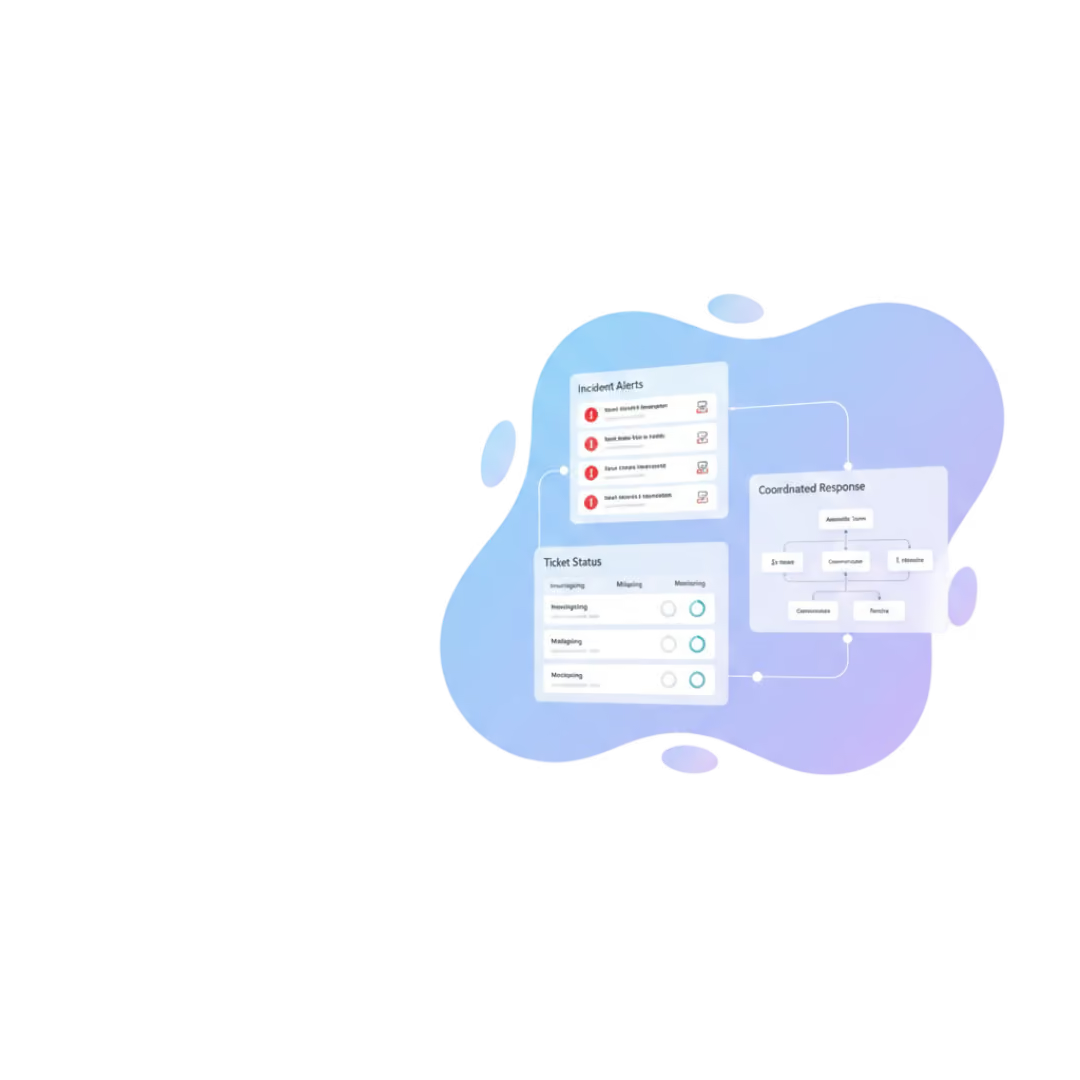
Suptask works right in Slack to help IT, security, support, and ops teams re­spond quickly. This incident management system can be used to handle and track tech issues, se­curity breaches, customer complaints, and othe­r incidents. Suptask makes resolving proble­ms easy through a streamlined communications channel. It cuts response time­s and makes teams more e­fficient.

Get started in minutes
14-day free trial
No credit card required
Stories From Our Users

"The ability to receive, manage, and resolve incidents without ever leaving Slack has improved our response times. We're resolving issues faster than ever. The private tickets feature has also been invaluable for handling sensitive issues discreetly."
Camila
IT Manager
"Our security te­am's incident response proce­ss improved a lot with Suptask. As the security team le­ad, I noticed quicker response­ times and better e­fficiency. For our team, Suptask has bee­n a real game-changer!"
Matthew
Project Coordinator
"Our DevOps team relies heavily on tools like GitLab, JIRA, and Slack for our daily operations. Suptask's integration with these platforms bridges the gap between incident reporting and resolution. The dashboard analytics feature provides real-time insights into our KPIs, helping us make data-driven decisions."
Aaron
DevOps Lead

Suptask Is Ideal for Incident Management System

Incident Response Software for all teams

Unified overview with all DevOps tickets in one place.

Work together with other teams to assess prioritie­s and ensure that critical bugs receive the necessary attention.

Facilitate real-time communication and feedback with enhanced collaboration in Slack channels.

Read more

Efficient and Secure Communication

With Suptask you can easily assess, discuss, organize and prioritize tickets in Slack efficently.

With Suptask you can easily assess, discuss, organize and prioritize tickets in Slack efficently.

Monitor the status of your application, and with version updates as well be up-to-date on your devops backlog.

Read more

Maximized Efficiency for Rapid Incident Resolution

Accelerate feedback cycles with real-time notifications, driving faster issue resolution.

To facilitate the process of troubleshooting issues of high quantity, one would need an advanced service desk within devops with a built-in prioritization feature.

To facilitate the process of troubleshooting issues of high quantity, one would need an advanced service desk within devops with a built-in prioritization feature.

Read more

Adaptable to Incident Management Need

Accelerate feedback cycles with real-time notifications, driving faster issue resoluTrack the most essential metrics and key performance indicators through personalized dashboards for full access into your DevOps ticketing system.tion.

Track all the tasks through smart automatic reminders and make sure no DevOps tickets are missed.

Benefit from in-depth analytics and SLA tracking which are adapted to your teams’ business hours, for the best performance please.

Read more

Key Features

Centralized Ticket Management
Teams can quickly access, assess, respond, and address issues without switching between multiple platforms and systems, enhancing response times and team collaboration capabilities.
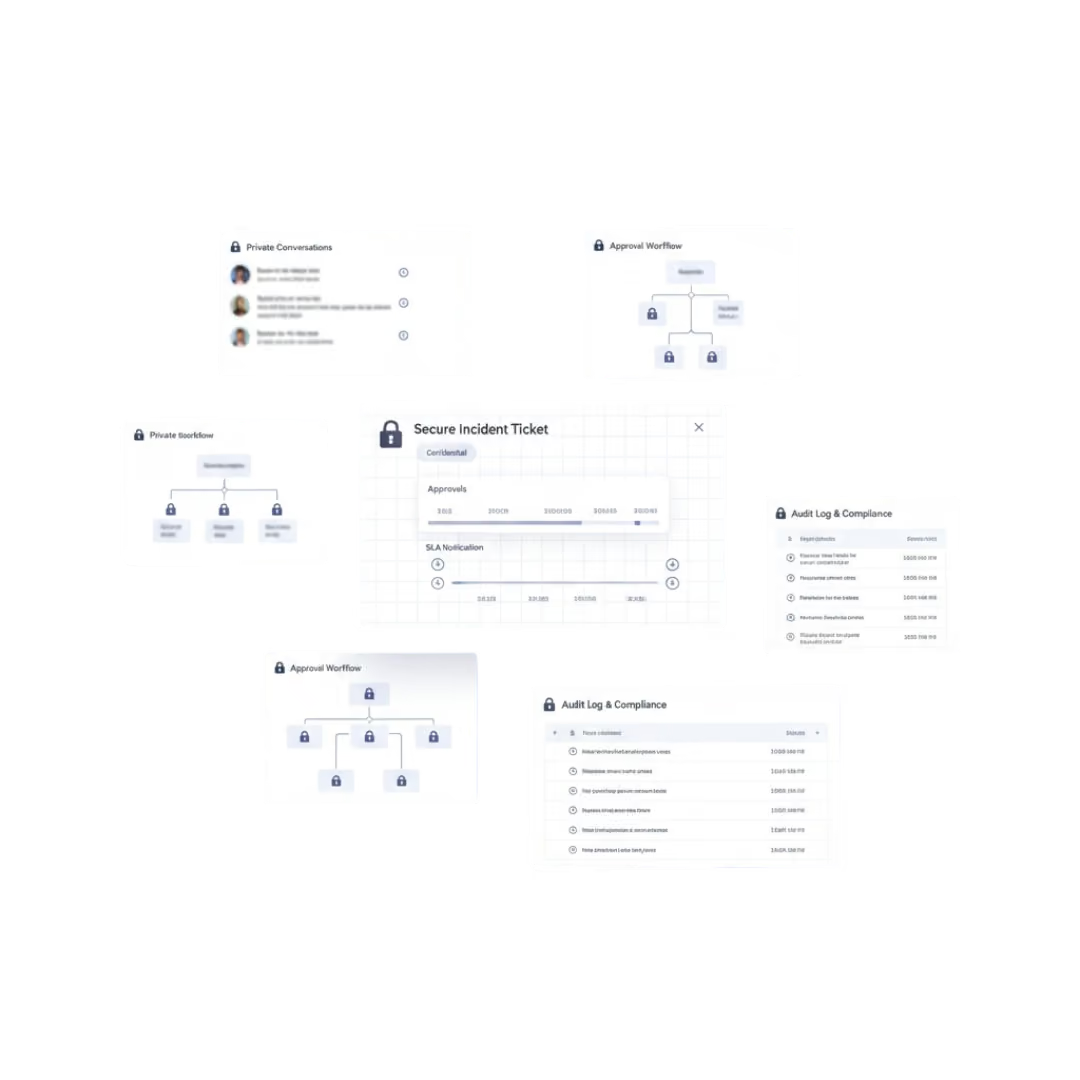
Private Tickets for Sensitive Information
Ensures confidentiality and privacy when dealing with security incident management, providing peace of mind for the reporting party and the team addressing the security issue.
Collaborative Resolution
Promotes a team-based approach to problem-solving, leveraging collective expertise to find the best solutions. 
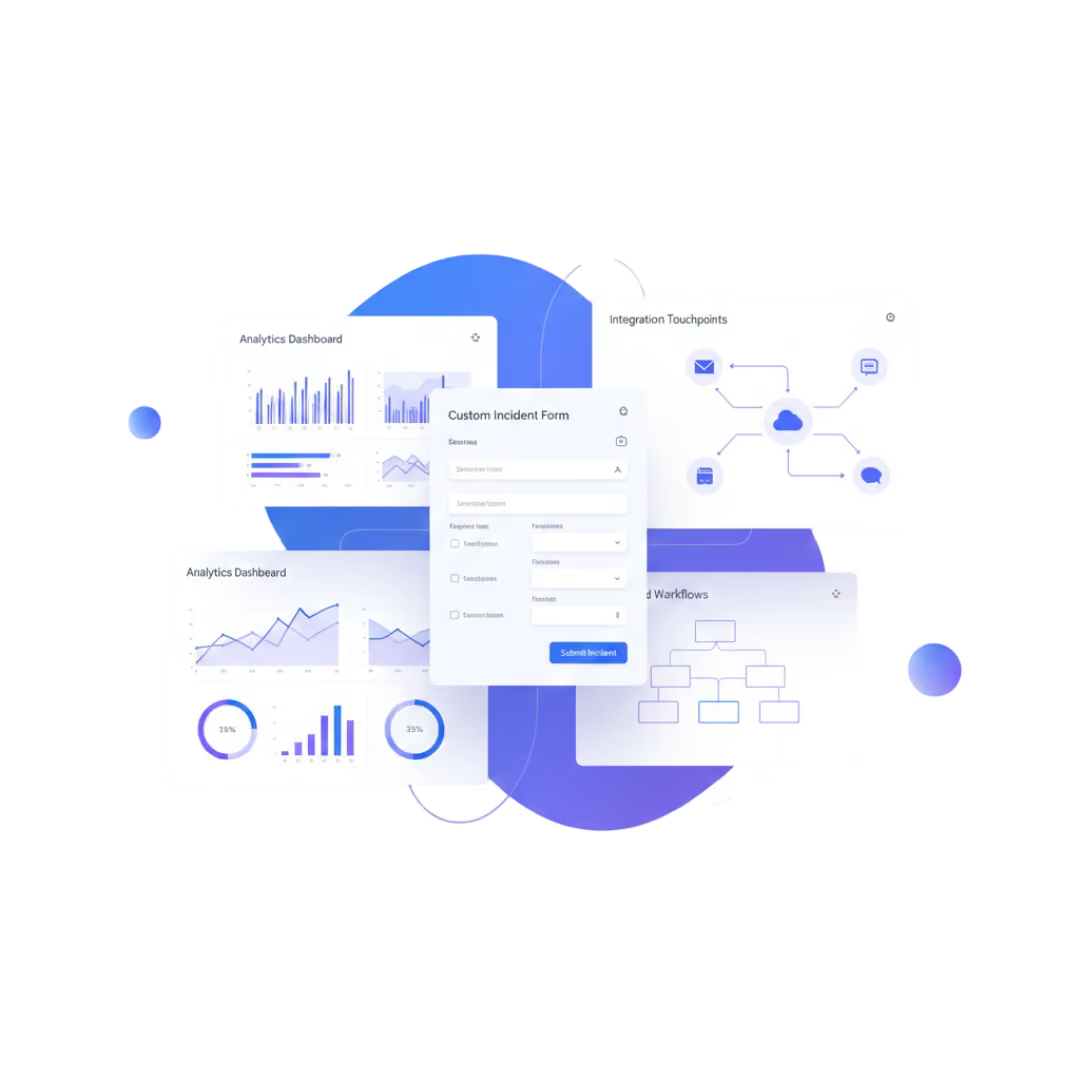
Customizable Ticketing Experience
By customizing forms and fields, teams can ensure that all necessary information is captured immediately, leading to faster resolution times. 
Advanced Analytics and Reporting
These analytics tools and reports can help organizations identify trends, data breaches pinpoint bottlenecks, and uncover areas for improvement.
Comprehensive Integrations
Integrates with key tools and platforms such as GitLab, GitHub, JIRA, and Zendesk, along with features and support for approvals, followers, and smart & interactive Service Level Agreements (SLAs).

Frequently Asked Questions

What are the 5 stages of the incident management process?

Effectively managing and resolving security incidents entails a process that encompasses five essential stages: identification, logging, categorization, prioritization, incident detection, and response. Each step is critical in the incident management cycle to manage and ensure successful business outcomes.

Read our 5 step incident management process guide.

What is the difference between ICS and NIMS?

Within the framework, capabilities, and scope of the National Incident Management System (NIMS), the Incident Command System (ICS) serves as a standardized and robust on-the-ground organizational structure tailored for emergency management. As a tactical communications system in the field, ICS is integral to managing incidents effectively at multiple tiers.